










Tipper Van Conversions
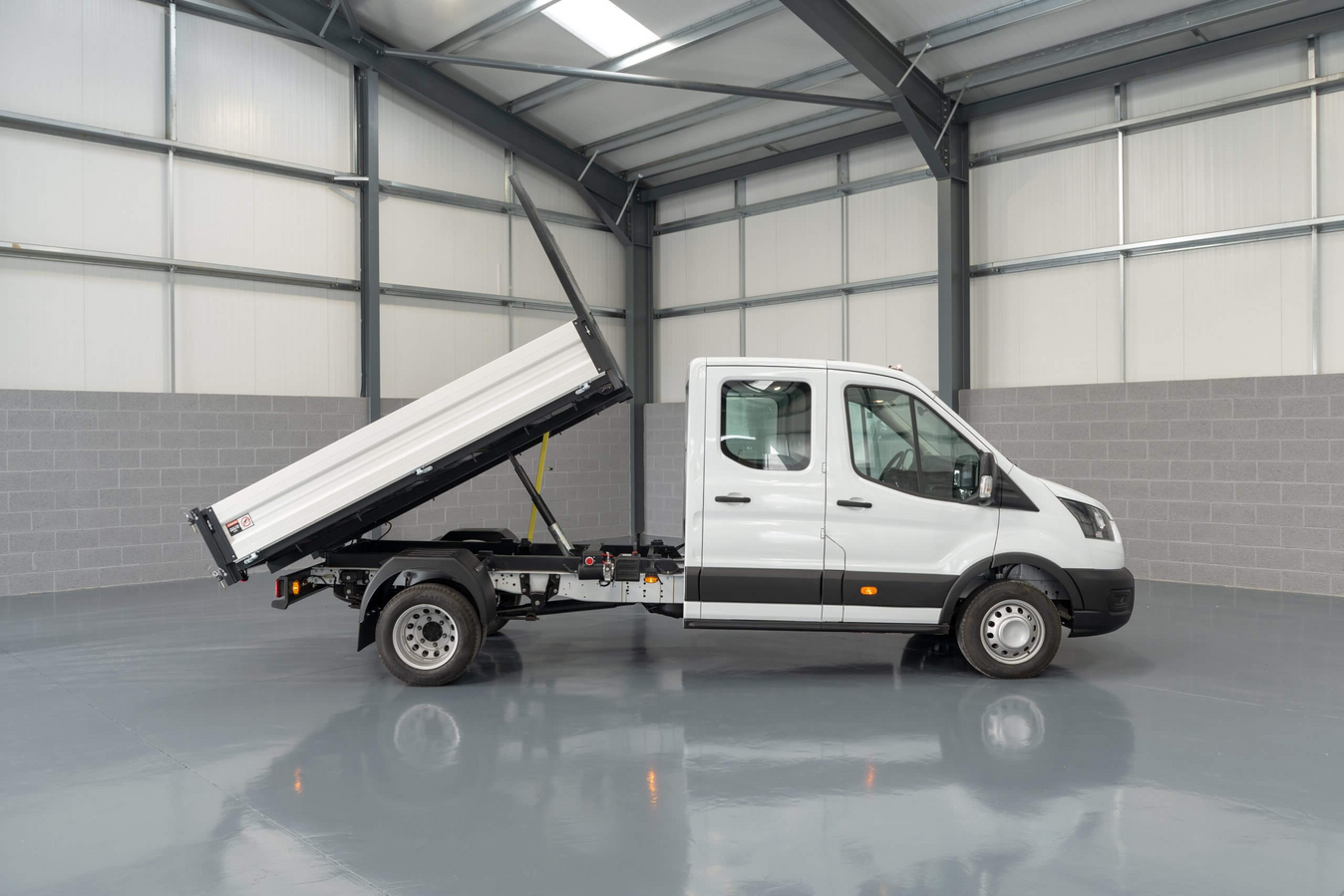


Not just any Tipper
CPD offers a robust range of tipper conversions, including steel and our exclusive Praevia alloy body. Developed over 15 years, Praevia is engineered for strength, durability, and maximum payload. Built to withstand the demands of daily use, our tipper conversions are tailored to meet the needs of a wide range of trades and industries across the UK.

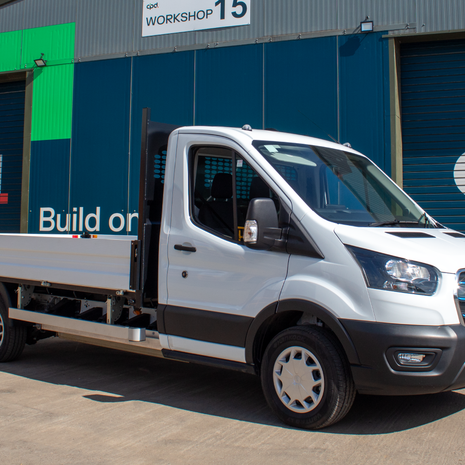
Ford E-Transit 425 Tipper 135Kw Electric L3 Single Cab 184ps Frozen White
- Automatic
- Electric
- Long
- 184ps
(Excl. Vat)
Ford Transit Praevia Tipper Diesel L2 Manual Single Cab 165ps Frozen White
- Manual
- Diesel
- Medium
- 165ps
(Excl. Vat)
2026 Tipper Buying Blueprint
This 2026 tipper buying blueprint gives you a clear, simple framework to follow before you buy, helping you stay compliant, and ensure your next tipper is built around the work you do.

Tipper Options
Our tipper bodies offer several finishes for the sides and tailgate:
-
 Aluminium Alloy
Lightweight and built for productivity
Manufactured from high-quality aluminium alloy, these bodies help maximise available payload while delivering the strength needed for everyday commercial work. -
 Praevia
Premium powder-coated finish
CPD’s Praevia finish offers superior durability, enhanced rust protection and a professional appearance that stands up to the demands of daily fleet use. -
 Specialist Equipment
We fit specialist tipper equipment like tow bars, beacons, cages, and tool pods—tailored to your trade and operational needs.
-
 Body Finish
Choose from paint, powder coat, or aluminium chequer plate finishes to match your tipper’s branding and improve longevity.


Take a closer look at the CPD Tipper range in action with our video walkaround
Tipper Equipment
CPD offers single cab chassis builds in a variety of configurations, including tippers, dropsides, Lutons, panel vans, and specialist vehicles. Custom conversions are available to suit a range of industry needs.

Fall Arrest
Stay safe on site with integrated fall arrest systems, designed to reduce risk and support compliance during working at height.

Lights & Accessories
Improve visibility and safety with powerful work lights, beacons, and tipper accessories tailored for tough environments and low-light conditions.

Tool Pod & Storage
Keep tools secure and organised with heavy-duty tool pods and storage compartments designed for easy access and long-term durability.

Cages
Add rear or side cages to your tipper for bulk waste, landscaping, or utility work—ideal for increased load capacity.
FAQs about LCV tipper conversions
How much does a standard tipper van conversion cost?
The cost of a tipper van conversion depends on the chassis choice, body material and specification. Factors such as single or double cab configuration, aluminium or steel body choice, tool storage and safety features all influence pricing.
We provide clear, tailored quotations based on your payload requirements and working environment, ensuring your tipper conversion is built for durability, compliance and long-term performance. Tipper conversion prices start from £35,000+VAT. Speak to our team for a specification-led quote.
Which manufacturers can be used for a tipper conversion?
We build tipper bodies onto chassis supplied by leading commercial vehicle manufacturers, including Ford, Maxus, Iveco, Mercedes-Benz and Renault, along with other major platforms. We do not modify the original manufacturer; instead, we install a professionally engineered tipper body to the base chassis.
All builds are completed in line with UK type-approval requirements, ensuring the finished tipper conversion remains compliant, safe and suitable for commercial road use.
Are your tipper conversions type-approved?
Yes. Our tipper conversions are built to meet relevant UK type-approval and safety standards. Compliance is considered at every stage of the build process, giving you confidence that your vehicle is road legal and suitable for commercial use.
What payload can a tipper conversion handle?
Payload capacity depends on the chosen chassis, body specification and fuel type. Aluminium tipper bodies help maximise payload due to their lighter weight, while steel bodies are suited to heavier-duty applications.
For electric vehicles (EVs), payload may differ compared to diesel equivalents due to battery weight and chassis configuration. Our team assesses your material types, usage and vehicle platform to recommend a compliant tipper conversion that balances strength, efficiency and legal weight limits.
We calculate final vehicle weights post-conversion to ensure compliance with plated limits and type approval regulations.
Can you finance a tipper van conversion?
Yes. Flexible finance options are available for tipper van conversions, helping trades spread the cost of investment. Our team can discuss funding solutions that align with your budget and business growth plans.
Single cab vs double cab tipper – what’s right for you?
A single cab tipper maximises load bed length and payload capacity, making it ideal for transporting materials. A double cab tipper provides additional seating for crew members while retaining tipping functionality. The right option depends on whether your priority is load space or team transport.
Steel vs aluminium tipper bodies – which is better?
Steel tipper bodies are extremely durable and suited to demanding environments. Aluminium bodies reduce overall vehicle weight, allowing for increased payload and improved efficiency. The best choice depends on the type of materials you handle, how the vehicle will be used daily and the manufacturer chassis you choose.
A typical 3.5-tonne steel tipper body weighs approximately 320–400kg, depending on specification and floor thickness. An equivalent aluminium tipper body generally weighs around 180–250kg.
This weight difference of 100–150kg can translate directly into additional usable payload capacity on a 3.5t chassis, which is significant for operators regularly working close to their plated limits.
Do you offer ready-built tipper vans for sale?
Yes. Alongside build-to-order conversions, we regularly stock ready-built tipper vans for sale to reduce lead times when vehicles are required quickly. Availability changes, so contact our team to discuss current stock options.
Tipper Body Dimensions & Options
Download FileMedium (L2): Single Cab
Available in single or double cab, the L2 tipper delivers a great balance of capacity and versatility. Suitable for mixed use environments and teams that need flexibility across different job types.
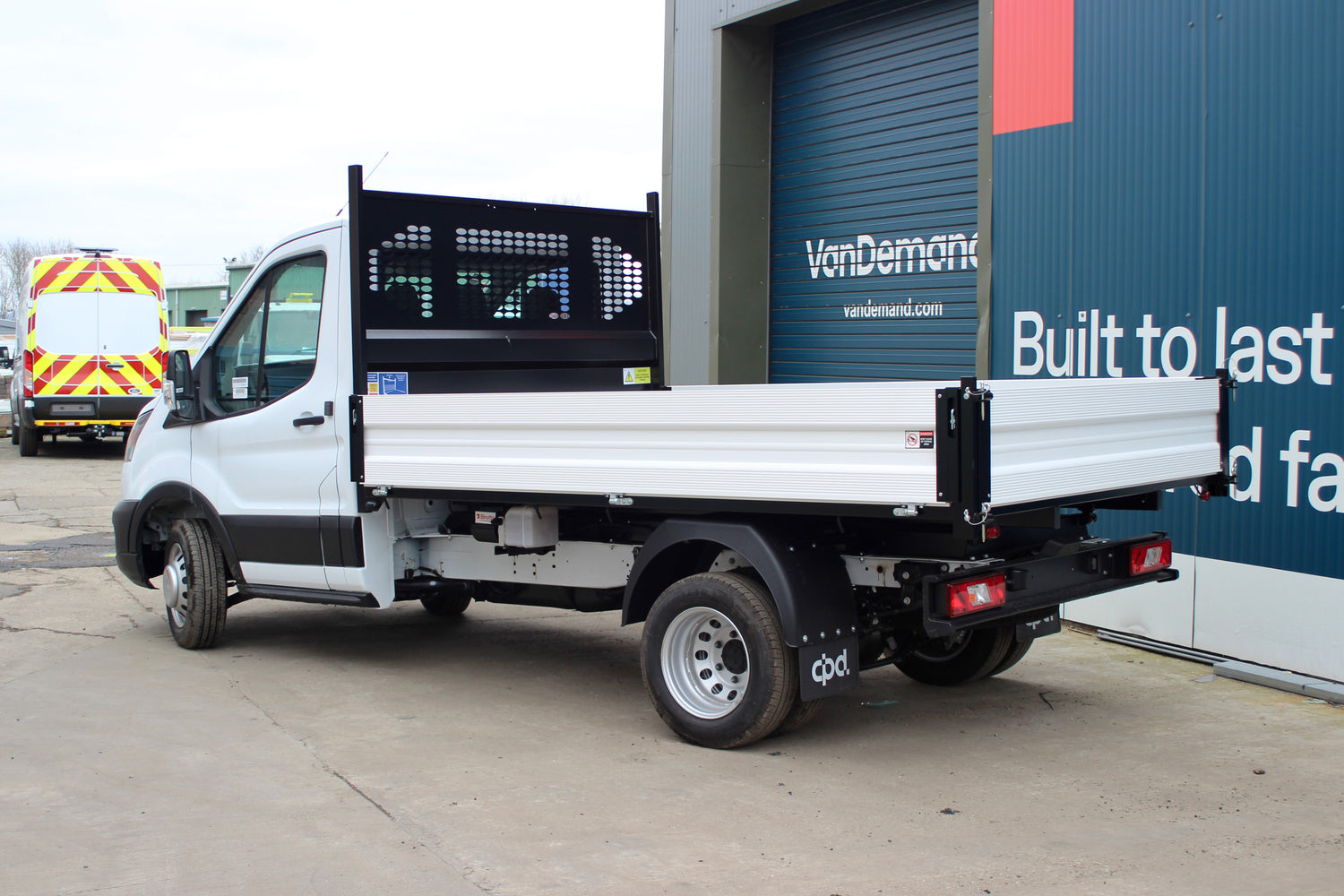
Long (L3): Single or Double Cab
Available in single or double cab, the L3 tipper delivers a great balance of capacity and versatility. With added load space and seating options, it suits mixed-use environments and busy teams needing flexibility across different job types.
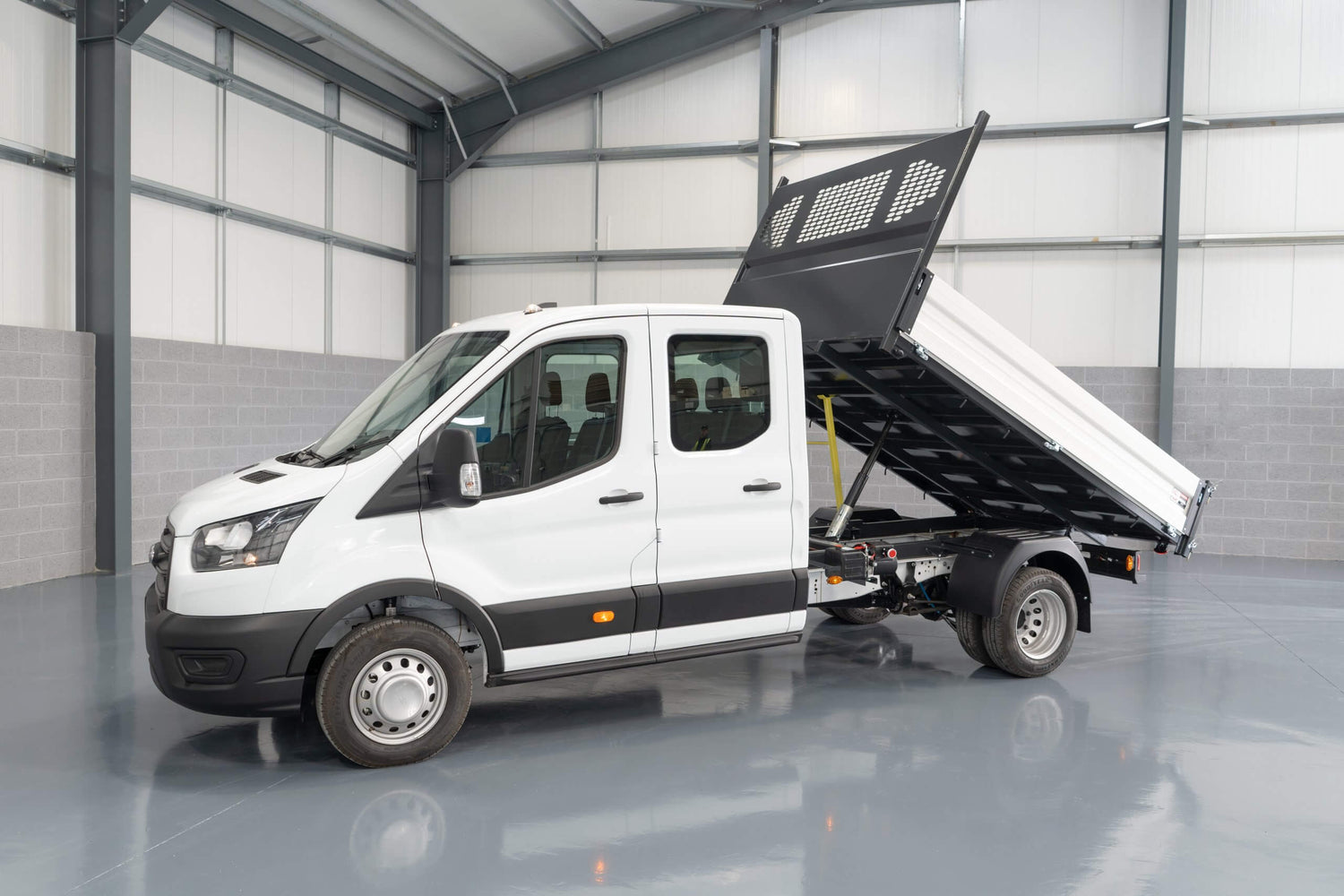
Why Choose a CPD Tipper?
Standard to Specialist Solutions
At CPD, we know that no two businesses are the same. Whether you need a standard steel or alloy tipper for general use, or a bespoke body with fall arrest and tool storage for more specialist work, our tipper vans for sale are built to meet your exact requirements. Every conversion complies with manufacturer and type approval guidelines, ensuring quality, safety, and peace of mind.
Driven by Customer Requirements
We take time to understand your operational needs. Whether it’s a single or double cab, additional tool pods, or custom load area requirements, our team works with you to create a tailored tipper solution. From standard site-ready builds to bespoke fleet designs, your vehicle is built to suit the way you work.
Durable with Optimised Payload
Our tippers are built for daily use, with strength and payload in mind. Before production begins, we offer design visuals and payload calculations based on your specification, helping you stay compliant and confident on the road. With options including Praevia bodies, cages, and fall arrest systems, we ensure every detail supports your business.