










Dropside vehicle buying guide: What to consider before you order

When buying a new dropside vehicle, there are more things to consider than chassis type, length, payload and price.
We’d hate you to realise after delivery that a few additional options could have made day-to-day work safer, more efficient and more productive, so we have outlined some of the key considerations worth thinking about before placing an order.
The good news is that modern dropside conversions are highly configurable. From double cab layouts and tool storage to traffic management builds and bespoke lighting requirements, there are numerous ways to tailor a vehicle around the way your business operates.
Start with how the vehicle will be used
The first question isn't which manufacturer to choose or what colour you want. It's understanding how the vehicle will be used every day.
Here are some seemingly obvious, but occasionally forgotten, key things to consider:
- Will it be carrying tools and equipment?
- How many people need to travel in the vehicle?
- Does it operate on highways or local authority contracts?
- Will drivers regularly access equipment throughout the day?
- Does the vehicle need to carry long materials?
- Will it require Chapter 8 or Traffic Management specification?
Answering these questions early helps ensure the vehicle is configured correctly from the start.
Single cab or double cab?
One of the biggest decisions is choosing between a single cab and a double cab chassis.
Single cab
A single cab configuration maximises load bed length, making it a popular choice for operators who prioritise carrying materials, equipment or larger loads. This setup is commonly used across construction, landscaping, utility work and general trade applications where load space is more important than passenger capacity.
If transporting additional crew members is not a requirement, a single cab often provides the most practical and payload-efficient solution. 
Double cab
Doube cab dropsides are well suited for businesses that regularly transport teams to and from site. They are commonly specified for highway maintenance, traffic management, utility contractors, local authorities and construction crews.
While some load bed length is sacrificed compared to a single cab, the ability to carry additional personnel in one vehicle can improve operational efficiency and reduce the need for multiple vehicles travelling to site. 
Using a double cab as storage
If additional seating isn't required, the rear seats can be removed and ply-lined to create secure internal storage for tools and equipment. This provides a practical alternative to a toolbox while keeping valuable items protected and out of sight.

Tool storage options
One of the most common upgrades we supply is additional storage. Keeping tools secure, organised and easily accessible can significantly improve operational efficiency.
Available options include:
Hanging toolbox
Hanging toolboxes are mounted beneath the dropside body, providing secure storage without taking up valuable load bed space. They are a popular option for operators who need quick access to small tools, traffic management equipment and other essential items while keeping the load area clear for materials and cargo.

Toolpods
Toolboxes provide an alternative storage solution that sits on the dropside bed directly behind the cab. They offer secure, weather-resistant storage for tools and equipment while keeping the load bed free for materials and cargo.
For many operators, toolboxes are a practical alternative to a double cab, particularly when additional passenger seating isn't required. This allows businesses to maximise load bed length while still providing dedicated storage space for essential equipment.

Side bars and load retention
If your vehicle regularly carries materials, equipment or awkward loads, additional side protection may be worth considering.
Typical options include:
- Additional side bars
- Ladder restraints
- Load securing systems
- Rope hooks
- Tail lifts
These features help improve load security and support safer transportation.

Lighting options
Lighting is often overlooked during specification but can have a significant impact on operational safety. Lighting options you should consider include:
- LED work lamps
- Beacon systems
- Rear strobes
- Directional warning lights
- Marker lighting
These are particularly beneficial for operators working in low-light environments, roadside locations or construction sites.

Traffic Management and Chapter 8 specification
For highway maintenance, utilities and local authority work, Traffic Management is often a requirement rather than an optional extra. These vehicles typically include:
- Chapter 8 compliant livery
- High-visibility chevrons
- Lightbars
- Beacons
- Cone wells
- Sign storage
- Additional safety equipment
If your operation requires highway working capability, it's important to consider these requirements early in the vehicle buying cycle. Read more about our Traffic Management vehicle solutions here.
Colours, branding and fleet consistency
Dropsides can be supplied in a variety of body colours and finishes to align with existing fleet requirements.
Options include:
- Bespoke paint finishes
- Company livery
- Fleet branding
- Reflective markings
For larger fleets, maintaining a consistent vehicle appearance can help reinforce brand identity while creating a more professional image on-site and on the road.
Choosing the right manufacturer
Different manufacturers offer different strengths depending on operational requirements. Alongside the choice of OEM, you should also consider factors such as single or double cab configurations, rear-wheel drive options, dual rear wheel/ single rear wheel and payload requirements.
Popular dropside platforms include:
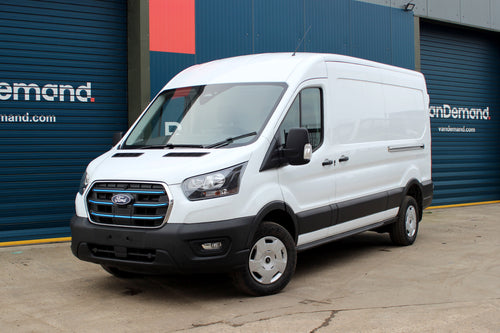
Ford Transit
One of the most widely used commercial vehicle platforms in the UK, offering strong dealer support, multiple drivetrain options and both diesel and electric availability.
Maxus Deliver 9
A popular value-focused option available in both diesel and electric configurations.
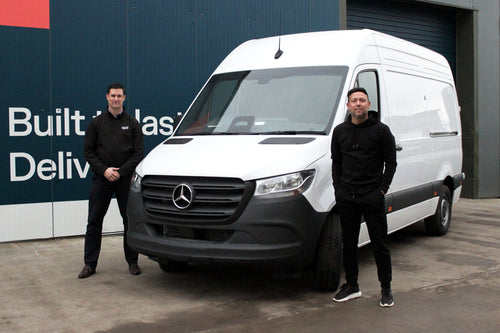
Mercedes-Benz Sprinter
Often selected by operators seeking premium driver comfort and advanced technology features.
Nissan Interstar
Provides a practical chassis option with strong payload capability and growing popularity within fleet operations.
Renault Master
A versatile platform widely used across trade and fleet applications.
The right choice depends on payload requirements, operational usage, driver preferences and fleet strategy. If you want a specific quote depending on your requirements, don’t hesitate to get in touch with us.
Don't forget about EV options
Electric dropsides are becoming an increasingly popular choice for organisations operating predictable daily routes, particularly across sectors such as local authorities, utilities, facilities management, grounds maintenance and traffic management.
Modern EV chassis platforms now offer practical operating ranges for many day-to-day commercial applications, helping businesses reduce fuel costs, lower emissions and support wider sustainability goals. As a result, many fleet operators are adopting a mixed-fleet approach, using both diesel and electric vehicles to balance operational requirements, payload demands and route profiles.
Why does all this matter?
The difference between a standard dropside and a vehicle configured around your operation can be significant.
A few carefully selected options can help improve driver efficiency, vehicle uptime, load security, operational safety, team productivity and long-term vehicle value.
The advantage of in-house conversion
At CPD, we complete dropside conversions in-house, allowing us to tailor vehicles around customer requirements rather than offering a one-size-fits-all solution.
Whether that's a double cab with tool storage, a fully liveried Traffic Management vehicle, an EV dropside or more bespoke fleet requirements, our team can help configure a vehicle that supports you from day one.
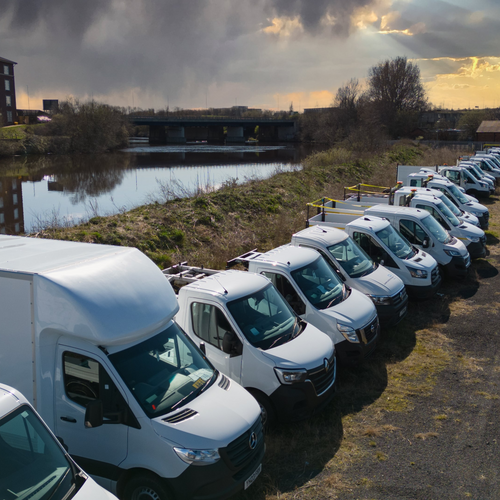
Because we also hold stock vehicles, many customers can avoid lengthy factory lead times and get vehicles on the road faster.
Key takeaway
Storage requirements, crew size, lighting, safety equipment, Traffic Management specification and future fleet plans can all influence which configuration is right for your business.
Taking the time to consider these options before ordering can help ensure your next dropside is built around your operation, not the other way around.


